
Tuesday
Dec292020
The New Riddleblog Goes Live!
 Tuesday, December 29, 2020 at 10:06AM
The New Riddleblog goes live! Check it out.
This blog will remain up and running as I update and move material over to the new blog.

Living in Light of Two Ages
____________________________
Tuesday, December 29, 2020 at 10:06AM
The New Riddleblog goes live! Check it out.
This blog will remain up and running as I update and move material over to the new blog.
Sunday, December 27, 2020 at 01:32PM 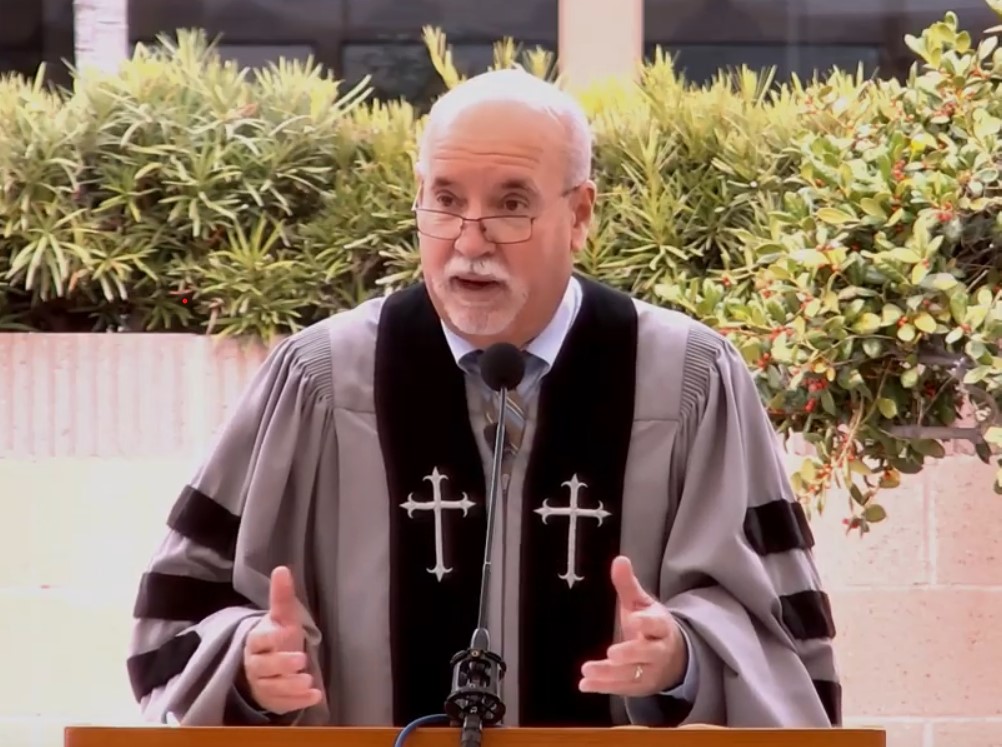
Here's the sermon from this morning's service -- the Sunday after Christmas:
Video: "The Oath That He Swore to Our Father Abraham" -- Luke 1:57-80
Audio: "The Oath That He Swore to Our Father Abraham" -- Luke 1:57-80
Monday, December 21, 2020 at 09:53AM 
You are invited to join us as we gather for our annual Service of Lessons and Carols on Thursday, December 24 at 2:30 p.m.
This is a wonderful opportunity to hear the Scriptures read and proclaimed, and sing Christmas carols. What makes this service so rich is that the liturgy situates the birth of Christ against the backdrop of redemptive history. The incarnation is a key part of the creation-fall-redemption-consummation movement in scripture and the nine lessons illustrate that vividly. Space is limited, so make your reservations early on the Christ Reformed Church website (via link at the top of the C-Ref website).
The service will be live streamed and uploaded to the Christ Reformed YouTube Channel for later viewing: Christ Reformed Church Lessons and Carols 2020
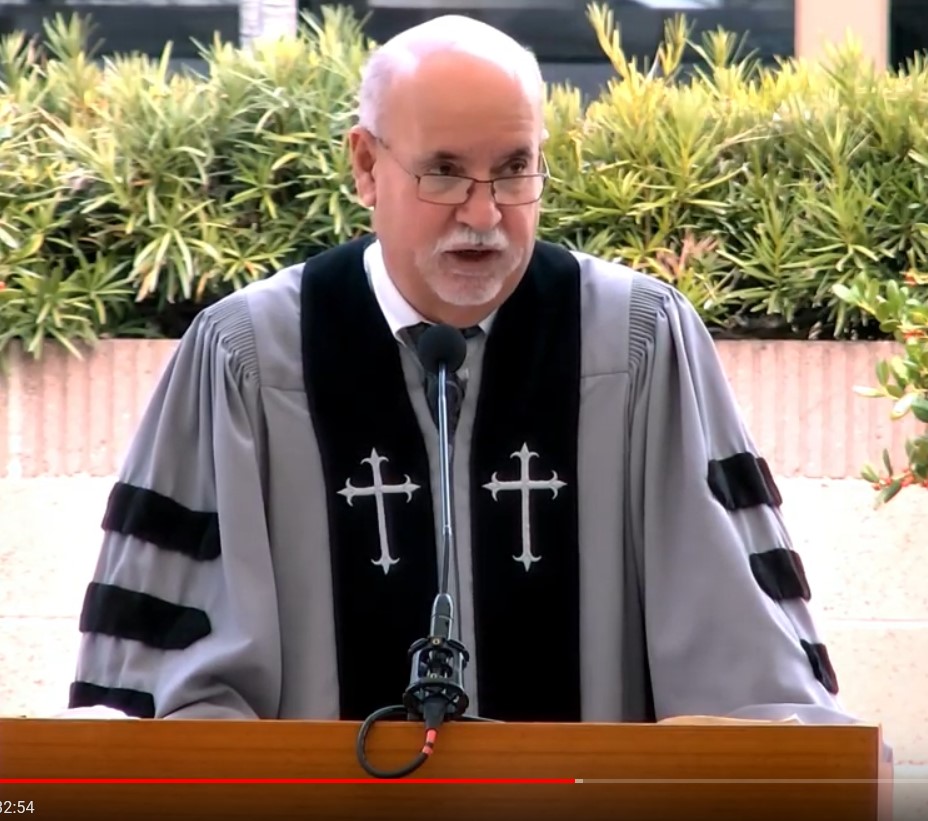
Sunday, December 27: Worship services will be held outdoors in the courtyard at 9:00 a.m. and 10:30 a.m. The 9:00 a.m. service will be live-streamed. We will wrap up our time in the Gospel of Luke with Zechariah's "song" in Luke 1:57-80.
Reservations are required each week so that we may prepare the outdoor space and maintain social-distancing. To RSVP, go the Christ Reformed Church website (http://www.christreformed.org/) and follow the instructions for making a reservation.
Social distancing and face coverings are required. If you have any Covid-19 like symptoms, or feel ill, please remain home and watch the live stream.
Sunday, December 20, 2020 at 01:24PM 
Here's the video and audio from this morning's sermon for the fourth Sunday in Advent, the "Son of God," from Isaiah 9:1-7 and Luke 1:26-38:
Video: "The Son of God" -- Luke 1:26-38
Monday, December 14, 2020 at 10:35AM 
Sunday, December 20: Worship services will be held outdoors in the courtyard at 9:00 a.m. and 10:30 a.m. The 9:00 a.m. service will be live-streamed. We will turn to the Gospel of Luke the next three Lord's Days. This coming Sunday (the fourth Sunday in Advent), we will consider Isaiah's prophecy of a coming redeemer who is "God with us" (Isaiah 9:1-7), and its fulfilment in Luke 1:26-38 (the birth of Jesus foretold).
Reservations are required each week so that we may prepare the outdoor space and maintain social-distancing. To RSVP, go the Christ Reformed Church website (http://www.christreformed.org/) and follow the instructions for making a reservation.
Social distancing and face coverings are required. If you have any Covid-19 like symptoms, or feel ill, please remain home and watch the live stream.
Sunday, December 13, 2020 at 01:26PM 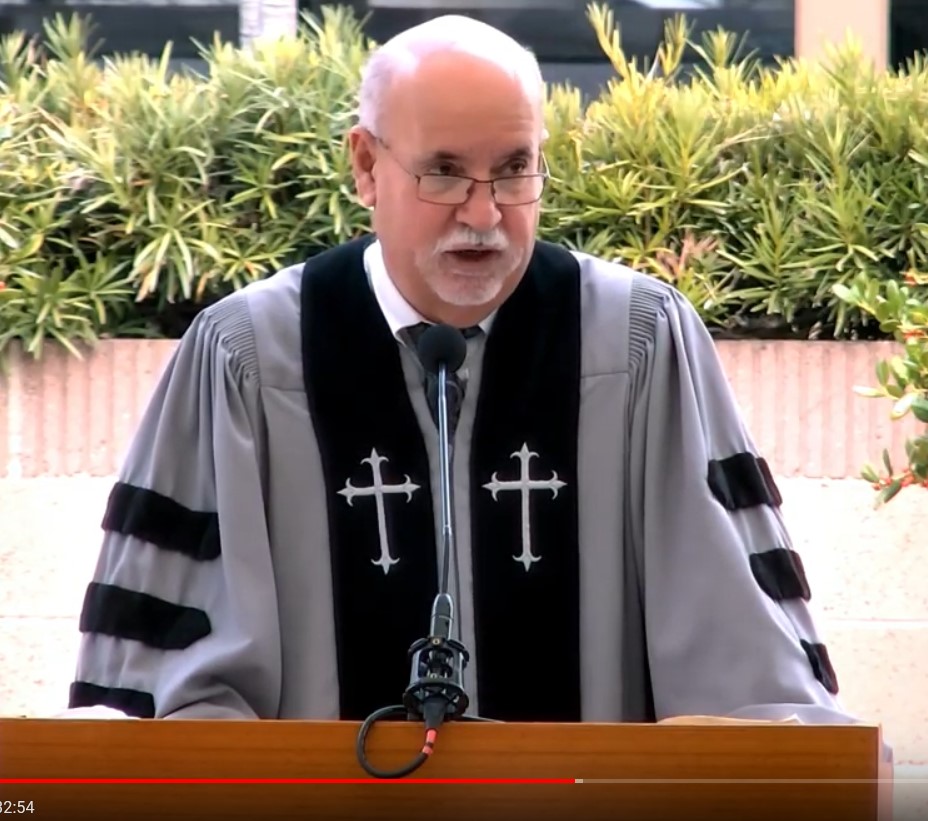
Here's the video and audio from this morning's sermon for the third Sunday in Advent.
Video: "To Take Away My Reproach" -- Luke 1:5-25
Tuesday, December 8, 2020 at 11:26AM  I was recently interviewed for Westminster Seminary California's "Office Hours" by my friend and colleague Dr. Scott Clark. We talk about the founding of Christ Reformed Church twenty-five years ago, my time as a student at Westminster Seminary California, and the rise and fall of the evangelical "buzz" in Orange County, California.
Here's the link: Office Hours with Scott Clark -- An Interview with Kim Riddlebarger
Monday, December 7, 2020 at 10:30AM 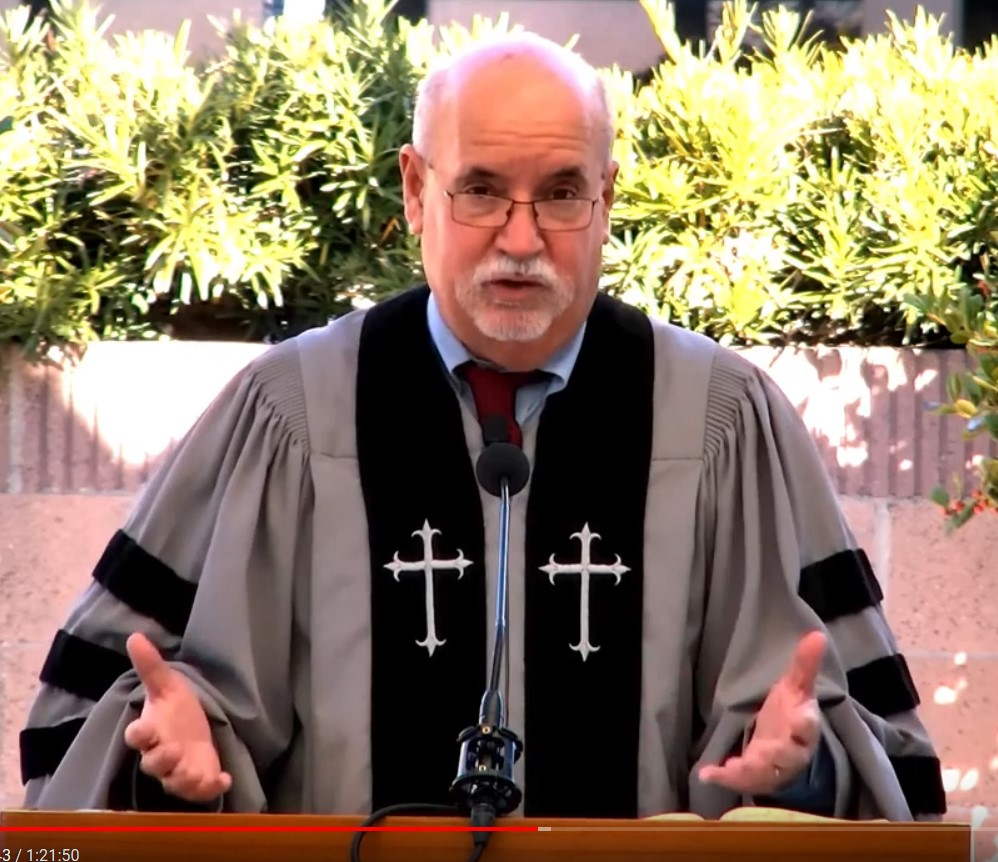
Sunday, December 13: Worship services will be held outdoors in the courtyard at 9:00 a.m. and 10:30 a.m. The 9:00 a.m. service will be live-streamed. We will turn to the Gospel of Luke the next three Lord's Days. This coming Sunday (the third Sunday in Advent), we consider Luke's account of the event surrounding the birth of Jesus. Our text is Luke 1:5-25 (the birth of John the Baptist foretold).
Reservations are required each week so that we may prepare the outdoor space and maintain social-distancing. To RSVP, go the Christ Reformed Church website (http://www.christreformed.org/) and follow the instructions for making a reservation.
Social distancing and face coverings are still required at this time. If you have any Covid-19 like symptoms, or feel ill, please remain home and watch the live stream.
Sunday, December 6, 2020 at 02:34PM 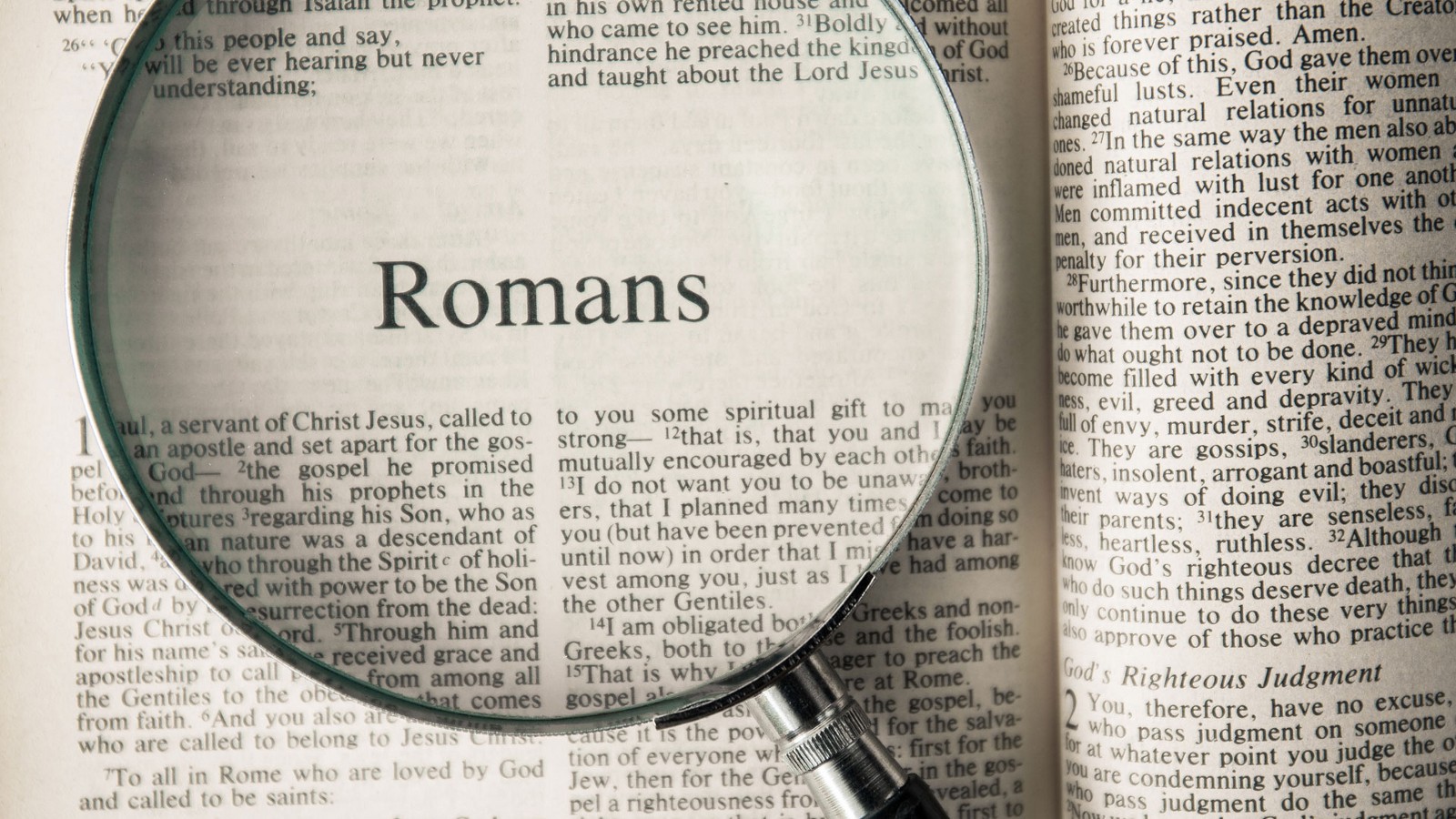
Here's the audio from this morning's sermon on the future of Israel:
Video: "And In This Way All Israel Will Be Saved" -- Romans 11:16-36
Audio: "And In This Way All Israel Will Be Saved" -- Romans 11:16-36
Monday, November 30, 2020 at 10:13AM 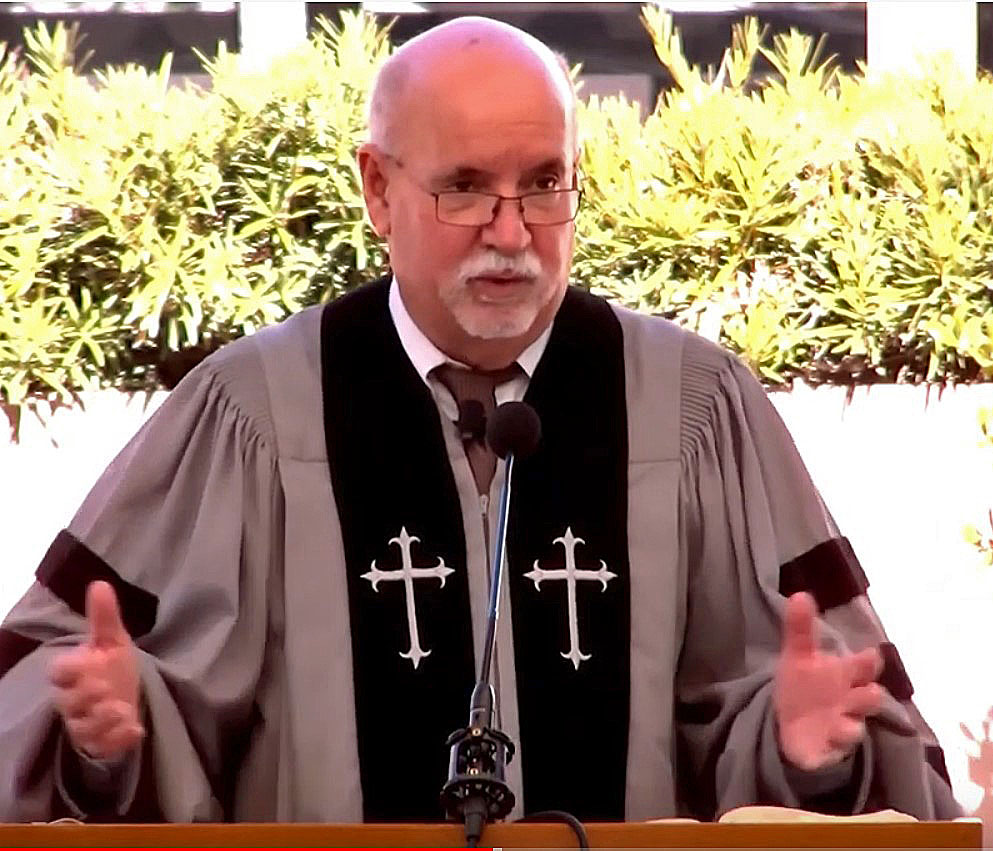 Sunday, December 6: Worship services will be held outdoors in the courtyard at 9:00 a.m. and 10:30 a.m. The 9:00 a.m. service will be live-streamed. We conclude our look at Paul's discussion of the future of Israel (Romans 11:16-36).